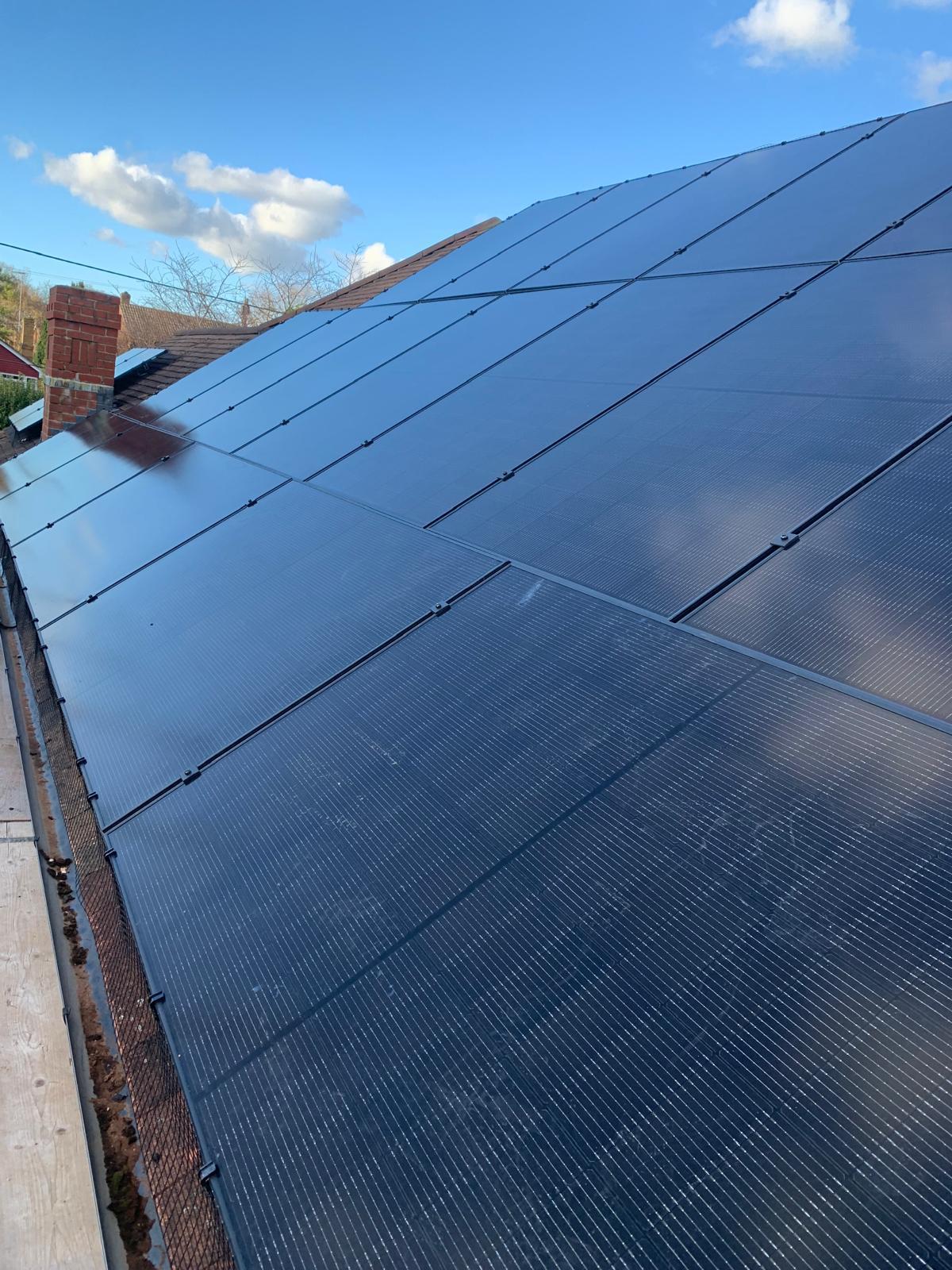
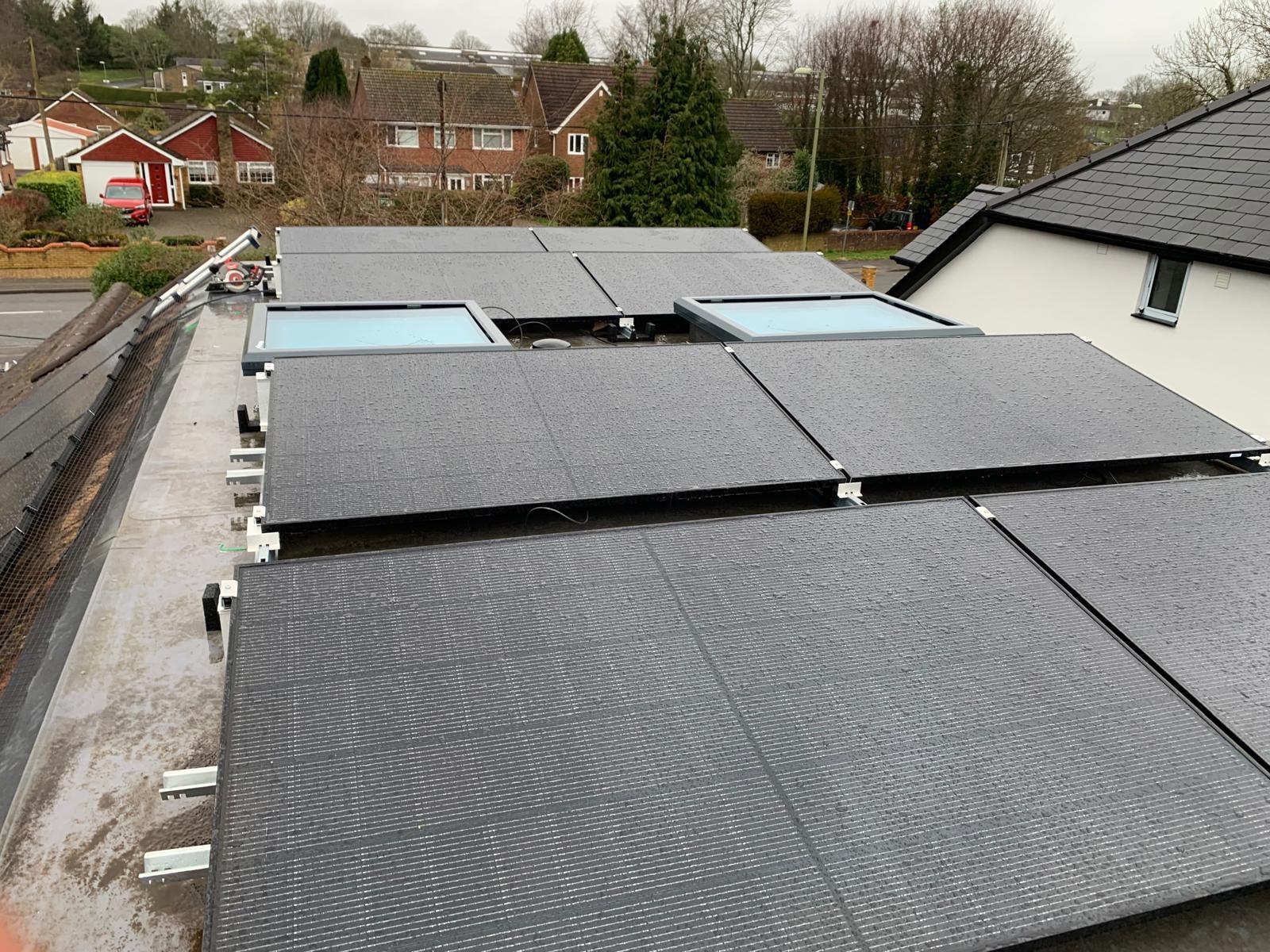
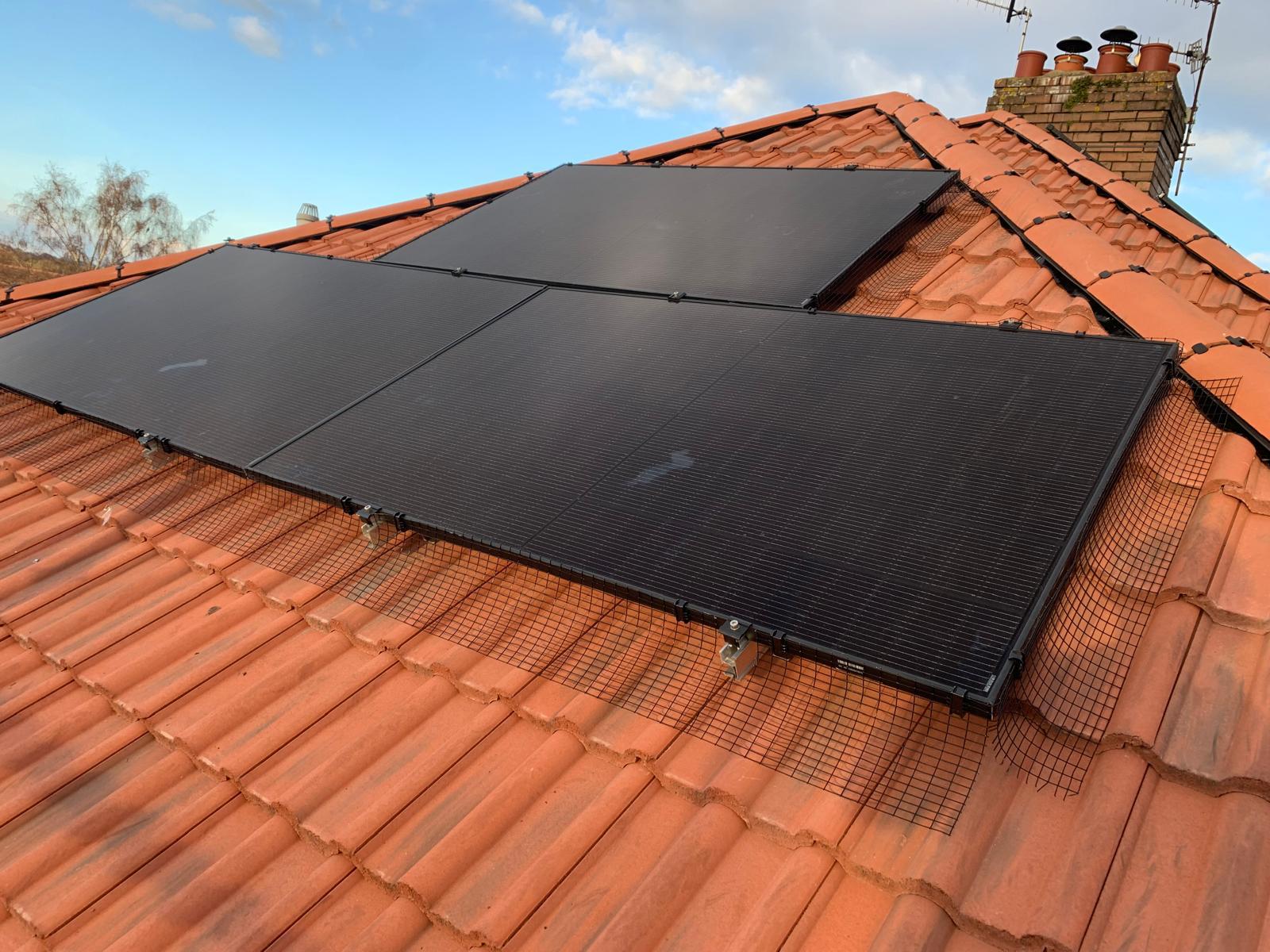
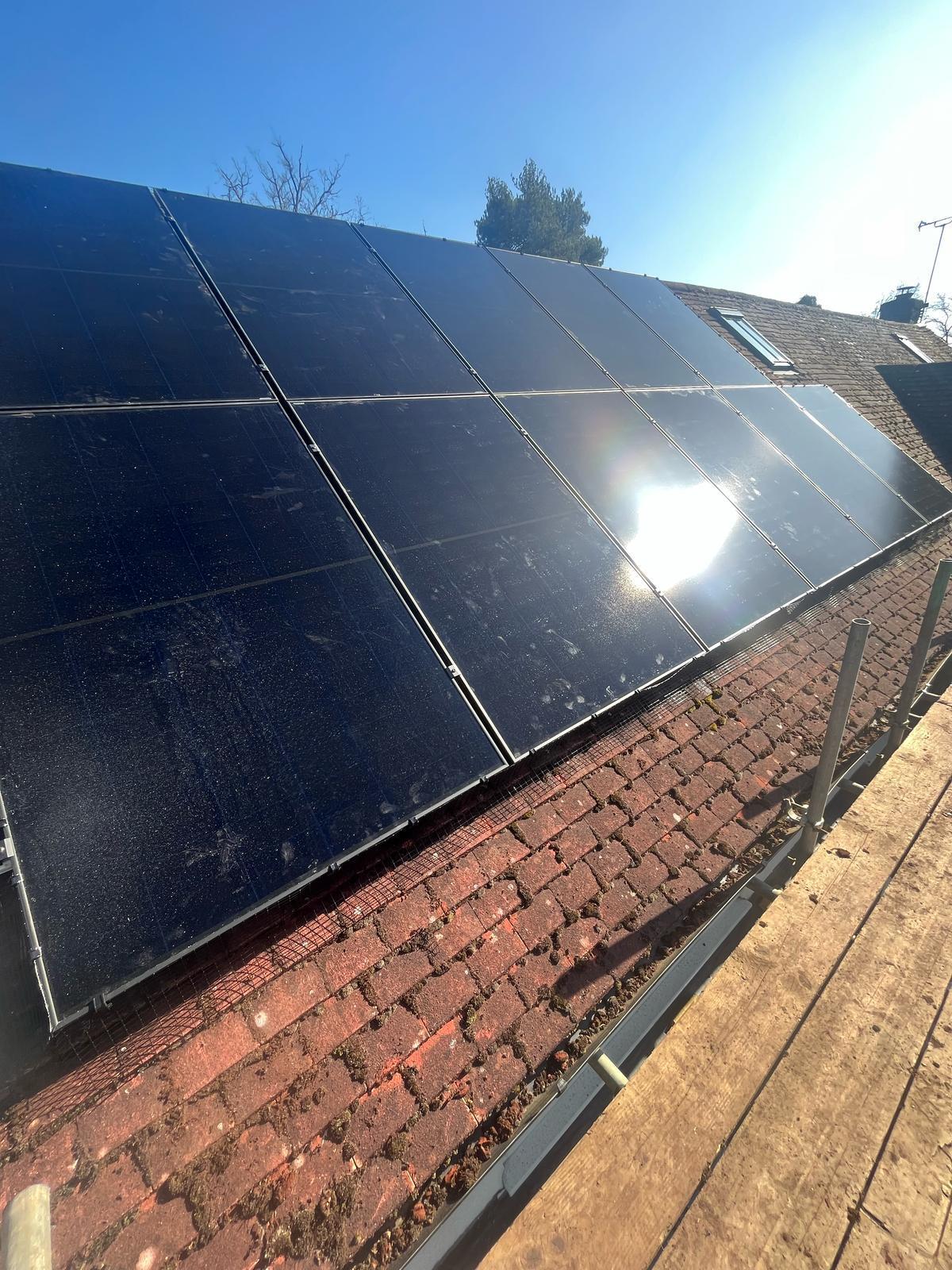
For many homeowners, the appeal of solar panels is easy to understand. Producing electricity from your own roof can reduce your reliance on the grid, provide greater protection against changing energy prices and make better use of a resource that arrives every day without charge.The more important question, however, is whether the figures genuinely add up.


When people talk about solar panels paying for themselves, they are usually referring to the point at which the cumulative financial benefit of the system equals its original cost.The principal saving comes from generating electricity that you would otherwise have purchased from your energy supplier.Suppose, for example, that your solar panels are generating electricity while your washing machine, refrigerator, television and other appliances are operating. Some or all of that electricity can come directly from your solar system rather than the grid.Every unit of solar electricity you consume within your home is a unit you do not need to purchase from your supplier.Over months and years, those savings accumulate.There may also be an additional financial benefit from surplus electricity that is exported to the grid. Eligible households can receive payments for exported electricity through arrangements such as the Smart Export Guarantee.The combination of reduced electricity purchases and export payments forms the basis of the financial return from solar.
There is no single price for a residential solar installation because systems should be designed around the property and the household using them.
The cost will depend on matters such as the number and type of panels, inverter, mounting equipment, installation complexity, scaffolding requirements and whether battery storage is included.
A relatively straightforward solar PV installation will naturally cost less than a larger system incorporating substantial battery capacity and additional electrical equipment.
For this reason, homeowners should be cautious when comparing solar installations purely on headline price.
A cheaper system is not necessarily better value if it generates less electricity, uses unsuitable equipment or has not been designed around the household’s consumption.
When considering solar panel installation in Dorset, it is far more useful to ask what you are receiving for your investment and what the system is realistically expected to produce.

There is no universal solar panel payback period.A household that consumes significant amounts of electricity during daylight hours may achieve a very different return from a property that is largely empty throughout the day.Similarly, two neighbouring homes could have different results because one roof receives uninterrupted sunlight while the other experiences substantial shading.As a broad illustration, consider a hypothetical solar installation costing £7,500.If that household were to save approximately £700 per year through reduced electricity purchases and receive another £150 from exported electricity, the combined annual financial benefit would be approximately £850.The calculation would look like this:Initial solar investment: £7,500Estimated annual electricity savings: £700Estimated annual export income: £150Combined annual benefit: £850Illustrative payback period: approximately 8.8 yearsAfter reaching that point, the system could continue generating electricity for many years.These figures are deliberately illustrative. They are not a quotation or a guarantee of what a particular household will save. Electricity tariffs, consumption patterns, system performance, export rates, weather and the specification of the installation can all affect the result.A personalised solar assessment provides a much more meaningful indication of potential savings.
Several factors influence whether solar panels pay for themselves quickly or gradually.
Your household's electricity consumption is one of the most important considerations.Solar electricity is particularly valuable when it replaces electricity that you would otherwise have purchased from the grid.A household that uses considerable electricity during the day may therefore be able to consume a substantial proportion of its own solar generation.Working from home, running appliances during daylight hours or charging certain electrical equipment while the panels are generating can all change the way solar electricity is used.This is why simply asking how much electricity a solar system generates tells only part of the story.The more pertinent question is how much of that electricity you can use effectively.
The size, orientation and condition of your roof will influence the type of solar installation that is appropriate.A larger area may allow additional panels to be installed, while orientation affects when and how much electricity they are likely to generate.Properties do not necessarily require a perfectly south facing roof to benefit from solar. East and west facing installations can also be practical, depending upon the circumstances.The important point is that the system should be designed for the actual roof rather than according to a generic formula.
Trees, chimneys, neighbouring buildings and other obstructions can affect solar generation.A professional assessment can identify potential shading and determine how it may influence the proposed installation.For homeowners in established areas such as Poole, Bournemouth, Broadstone, Corfe Mullen and Wimborne, this can be particularly relevant where mature trees and surrounding properties influence the amount of sunlight reaching the roof.
Solar panels reduce the amount of electricity you need to purchase from the grid.Consequently, the price of grid electricity affects the financial value of the electricity you generate and consume yourself.Nobody can predict future energy prices with certainty. It would therefore be unwise to base an investment decision on the assumption that electricity prices will rise by a particular amount.Nevertheless, generating some of your own electricity can reduce your exposure to future changes in grid electricity prices.
Solar panels do not require Mediterranean sunshine to generate electricity.
Modern solar PV systems generate electricity from daylight, which means they can continue producing power during the varied weather conditions familiar to homeowners across Dorset and the wider South Coast.
What matters is how the individual property performs.
A home in Bournemouth may have a completely different roof orientation and shading profile from a property in Dorchester, Weymouth or Wareham.
Similarly, properties in Christchurch, Ferndown, Blandford Forum, Verwood, Ringwood and Swanage will each have their own characteristics.
This is another reason why individual system design matters.
Rather than relying on broad claims about how much solar panels can save, homeowners should consider an assessment based on the actual property.

Solar panels sometimes generate more electricity than the household requires at that particular moment.Rather than simply wasting that surplus, eligible households may be able to export electricity to the grid and receive payment from an energy supplier.The Smart Export Guarantee requires certain electricity suppliers to offer eligible small scale generators payment for electricity exported to the grid.Export tariffs vary between suppliers and can change over time, so it is important to investigate current tariff terms rather than assuming a particular export rate.Export payments can contribute towards the overall financial return of a solar system, but they should be considered alongside the value of consuming solar electricity within your own home.
Battery storage has changed the way many households think about solar.
Without a battery, electricity generated by your panels is generally either consumed by the property at that moment or exported when there is a surplus.
A solar battery allows some surplus electricity to be stored and used later.
Imagine your solar panels generating strongly at lunchtime while relatively little electricity is being consumed. Instead of exporting all of the surplus, a battery could store some of that energy.
When the household becomes busier during the evening, stored solar electricity can then be used to help meet demand.
This can increase solar self consumption and reduce the amount of electricity purchased from the grid.

Solar PV systems generally have relatively modest routine maintenance requirements because the panels themselves contain no moving parts.Nevertheless, homeowners should not assume that owning a solar system will be entirely cost free forever.Panels may occasionally require inspection or cleaning where dirt, debris or other environmental factors affect them. Electrical components should also be kept in appropriate condition, and components such as inverters or batteries may eventually require attention or replacement.A reputable solar installer should help you understand the equipment being proposed, the applicable warranties and what may reasonably be expected over the life of the installation.
Solar panels may make a property more appealing to certain buyers, particularly those interested in lower running costs and greater energy independence.
However, it would be inappropriate to claim that installing solar panels will automatically increase a property’s value by a particular amount.
Property values depend upon a vast range of factors, including location, condition, size and the wider housing market.
For many homeowners, the more immediate financial argument for solar remains the electricity the system can generate and the amount of purchased grid electricity it can potentially replace.

If you are considering solar panel installation in Dorset, the starting point should be an assessment of what is suitable for your particular property.Taylor Made Solar provides professional solar solutions across Dorset and the surrounding areas, helping homeowners understand the options available to them.A properly considered solar proposal can take account of your roof suitability, available space, household electricity consumption, appropriate system size, expected generation and whether battery storage would complement the way you use electricity.Most importantly, it allows you to consider potential savings based on your circumstances rather than relying entirely upon national averages.Whether you are based in Poole, Bournemouth, Christchurch, Wimborne, Ferndown, Broadstone, Corfe Mullen, Dorchester, Weymouth or elsewhere across Dorset and the surrounding South Coast, obtaining a personalised quotation can give you a much clearer understanding of the potential investment.
There is no fixed payback period. It depends upon installation cost, electricity generation, household consumption, electricity tariffs, export payments and whether battery storage is included. A personalised assessment is the most reliable way to estimate the potential payback period for your home.
Solar panels can make financial sense for suitable UK properties because they allow households to generate electricity that might otherwise need to be purchased from the grid. Whether they are worthwhile for you depends upon your property, consumption and the proposed system.
Yes, solar PV panels generate electricity from daylight rather than requiring constant direct sunshine. The performance of an individual installation will depend upon factors including roof orientation, shading, system size and local conditions.
It can. A battery can allow you to store surplus solar electricity and use it later, potentially reducing your reliance on grid electricity. However, batteries also increase the initial investment, so the financial case should be assessed individually.