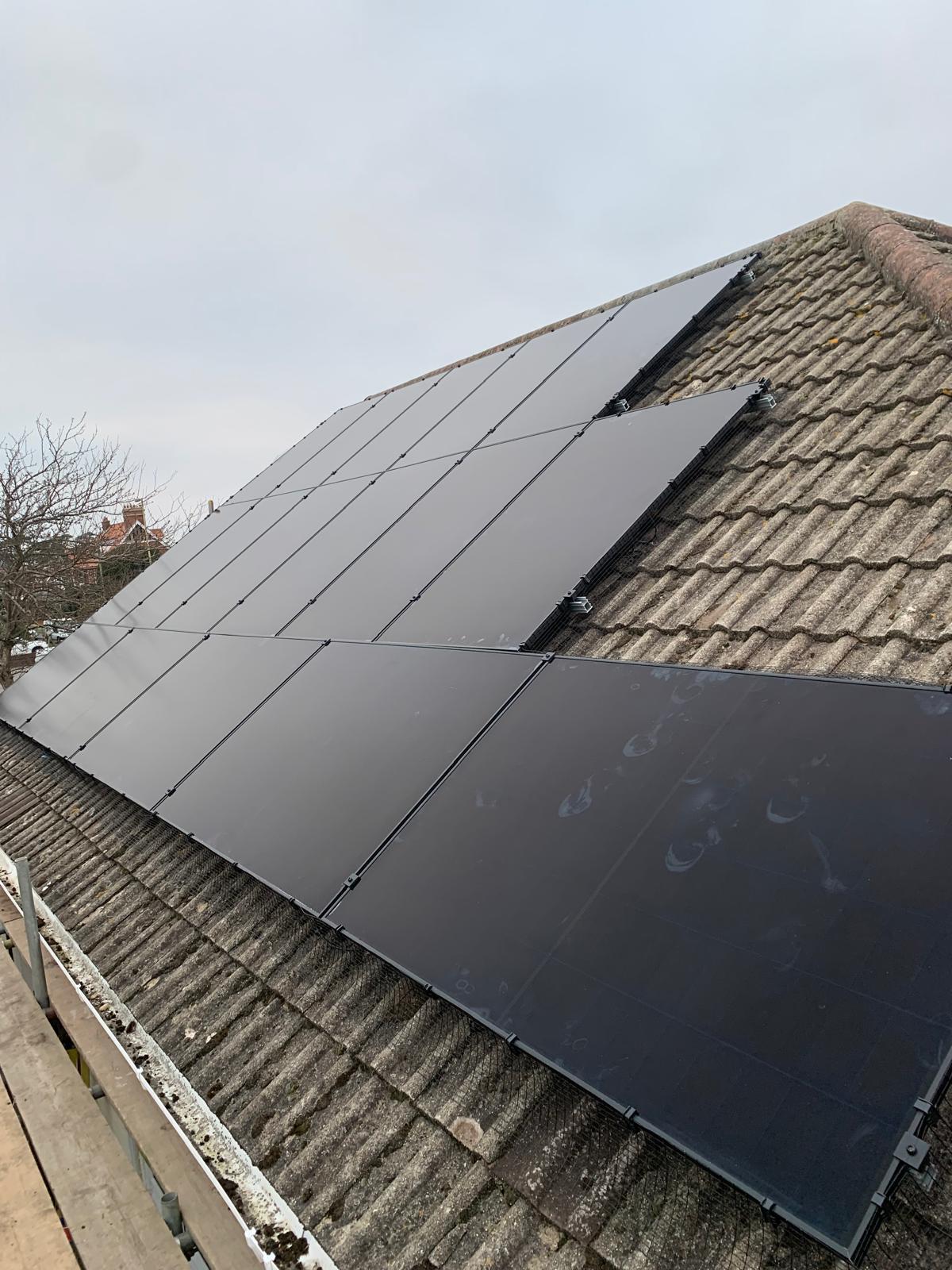
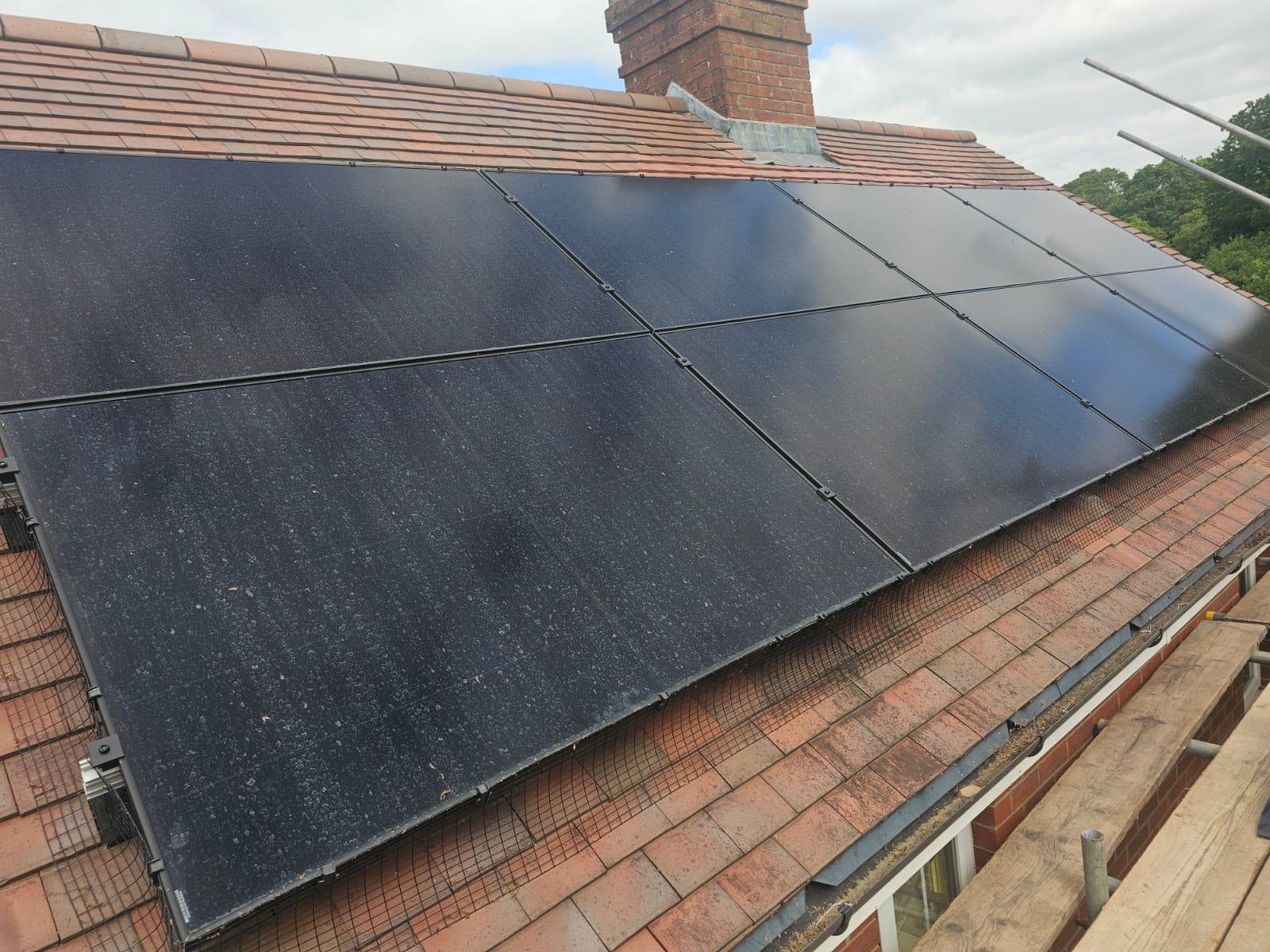
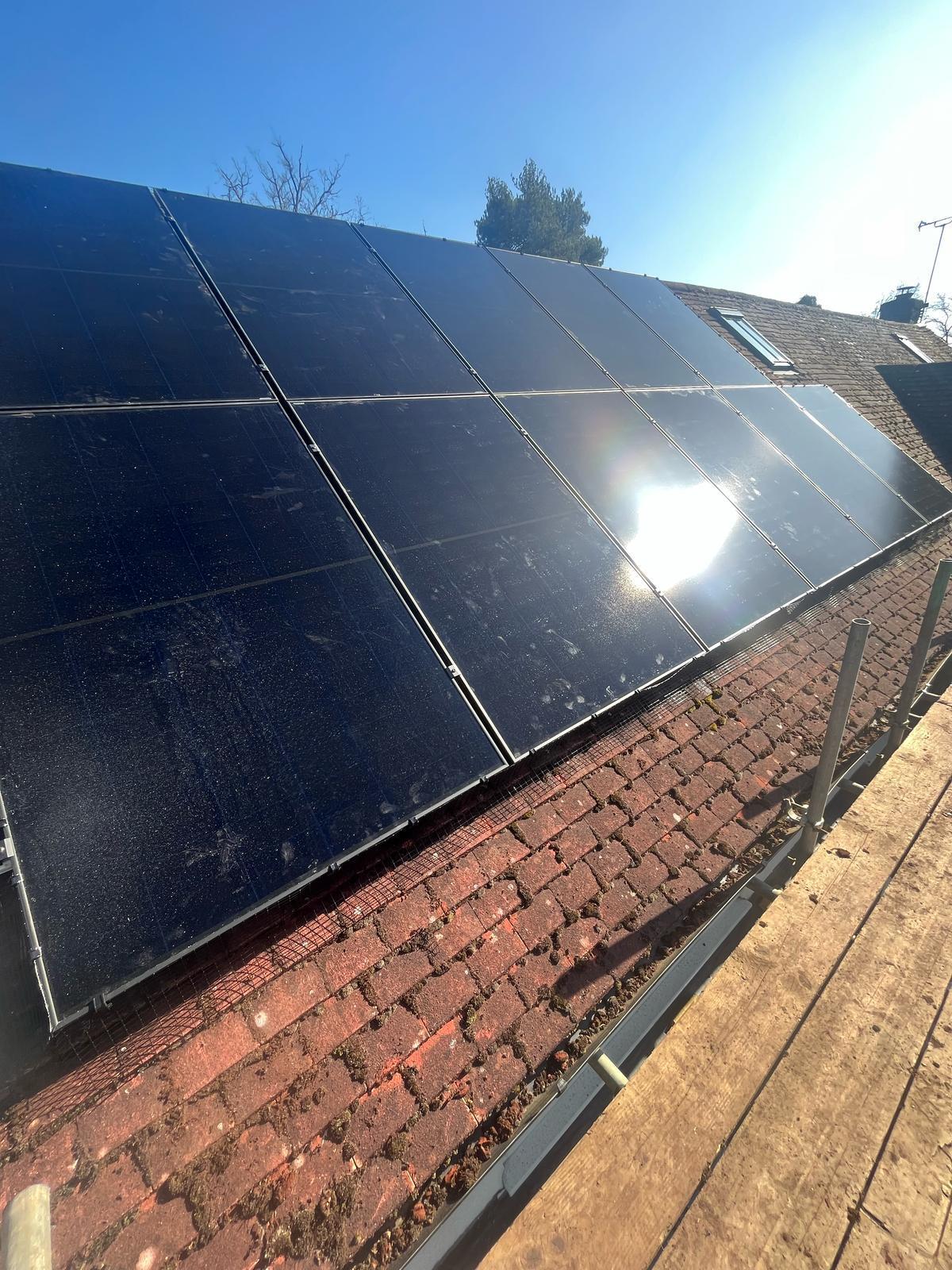
Yes, solar panels can often be installed successfully on a detached garage. In fact, a well positioned garage roof can provide an excellent opportunity to generate renewable electricity, particularly when the main house roof is shaded, unusually shaped, already occupied, or simply less suitable for solar panels.


Solar panels installed on a garage work in essentially the same way as panels installed on the main roof of a house.Photovoltaic panels capture sunlight and convert it into electricity. An inverter then converts this electricity into a form that can be used by household appliances and other electrical equipment.Where the garage is properly connected to the electrical system serving the main house, electricity produced by the garage panels can contribute towards the property's overall electricity consumption.Surplus electricity may also be directed towards battery storage or exported to the electricity grid, depending on the design of the system and the arrangements in place.The important point is that installing panels on a detached building does not necessarily mean that the electricity they produce must remain within that building.
Yes. Solar panels on a detached garage can be incorporated into a system designed to supply electricity to the main house.
The precise arrangement depends upon the electrical infrastructure already present at the property.
Some detached garages already have a substantial electrical connection to the house. Others may have only a modest supply intended for lighting, sockets and occasional equipment. In some cases, additional electrical work may therefore be required before a larger solar system can be installed effectively.
A competent solar designer will consider the existing electrical supply, consumer units, cable route, inverter position and anticipated generation before deciding how the garage installation should connect to the remainder of the property.

If you want the electricity generated by your garage solar panels to contribute to household energy use, there will generally need to be an appropriate electrical connection between the two.How this connection is achieved will depend upon the individual property.The distance between the garage and the house matters, as does the route available for electrical cabling. Gardens, driveways, paths and other structures can influence the practical design of the installation.This is one reason why a site specific assessment is preferable to choosing a solar package based purely on the number of panels available.A good system should be designed as part of your property rather than treated as a collection of unrelated components.
The presence of a large garage roof does not automatically make it suitable for solar.Several factors should be examined before an installation is recommended.
Solar panels are designed to remain in place for many years, so it makes little sense to install them on a roof that is approaching the end of its useful life.If repairs or replacement are likely to be necessary in the near future, it may be sensible to deal with those issues before installing the panels.
The roof must also be capable of safely supporting the proposed solar installation.The type of roof, its construction, condition and supporting structure can all influence what is appropriate.Professional assessment is particularly important for older garages or buildings that were constructed for relatively light use.
South facing roofs are often associated with solar generation in the UK, but they are far from the only option.East and west facing roofs can also produce worthwhile amounts of electricity and may suit households whose energy consumption is spread across the morning and afternoon.The best orientation depends not simply on theoretical maximum generation but on the property and the way its occupants use electricity.
The angle of the garage roof can influence both system design and solar generation.Pitched roofs are commonly suitable, although flat garage roofs can also accommodate solar panels using an appropriate mounting system.A flat roof should not therefore be dismissed automatically.
There is no universal answer because garage roofs differ enormously.
The number of panels that can be installed depends upon the usable dimensions of the roof, the size of the selected panels, the roof shape, orientation and any obstacles that restrict the available area.
It is also important to distinguish between the maximum number of panels that physically fit and the number that actually makes sense.
Good solar design is not a competition to cover every available centimetre of roof.
The objective should be to create a system that provides useful generation, works efficiently with the property’s electrical infrastructure and reflects the household’s present and future energy requirements.

Potentially, although the answer depends on the size and performance of the system.A substantial double garage with a favourable orientation and limited shading may offer considerably more generation potential than a small single garage surrounded by trees.Household electricity consumption must also be considered.Some homes use relatively little electricity during the day, while others may have electric vehicles, home offices, heat pumps or other significant electrical loads.For this reason, anticipated energy generation should always be considered alongside actual household consumption.
Battery storage can make a detached garage solar installation considerably more versatile.
Solar panels generate electricity when daylight is available, but household electricity consumption does not necessarily occur at the same time.
A solar battery allows suitable surplus generation to be stored and used later.
For example, electricity generated during the middle of the day might be stored and then used during the evening when the household is cooking, watching television and using other appliances.
Battery storage may therefore help homeowners make greater use of the electricity generated by their own solar panels and reduce reliance upon electricity purchased from the grid.
The best location for the battery should form part of the wider system design. Accessibility, environmental conditions, electrical connections and manufacturer requirements all need to be considered.

A detached garage can become particularly attractive as a solar location when it is also used for parking or charging an electric vehicle.Combining solar panels, battery storage and an electric vehicle charger can create a more integrated approach to household energy.During suitable conditions, electricity generated by the solar panels can contribute towards household demand, battery charging or electric vehicle charging, depending upon the way the system has been configured.For homeowners already considering an electric vehicle, it is worth discussing this during the initial solar consultation.Even if you do not currently own an electric vehicle, planning for future electricity requirements can help avoid designing a system around yesterday's energy habits.
Many domestic solar panel installations in England can fall within permitted development rights, which means a separate planning application may not be required, provided the relevant limits and conditions are satisfied. The Planning Portal advises homeowners to check the particular circumstances of their property and consult the local planning authority where there is uncertainty.
Additional considerations may apply to listed buildings, conservation areas and properties where permitted development rights have been restricted.
Planning rules can also depend upon the precise position and design of the installation.
It is therefore wise to check rather than assume.
Homeowners in Bournemouth, Poole, Christchurch, Dorchester, Weymouth and elsewhere across Dorset should consider the individual planning circumstances of their property before work begins.

Solar installation involves more than attaching panels to a roof.The structural suitability of the building and the safety of the electrical installation must both be taken seriously.The existing electrical system needs to be assessed so that the solar panels, inverter, consumer units and any battery storage or electric vehicle charging equipment can work together properly.Where the garage is some distance from the main property, cable sizing and the route between the buildings also require careful consideration.This is precisely why professional system design matters.
Solar technology may be increasingly familiar, but good solar design remains highly individual.
Taylor Made Solar helps homeowners across Dorset and the South understand what will actually work for their property.
That means considering more than the visible roof.
A thoughtful assessment should examine the building, electrical infrastructure, household consumption and longer term energy requirements before a system is proposed.
Whether you are exploring solar panels for a detached garage in Bournemouth, considering battery storage in Poole, planning electric vehicle charging in Christchurch or investigating renewable energy elsewhere across Dorset and the South, the objective remains the same.
Your system should be appropriate for your home, your energy use and your plans for the future.
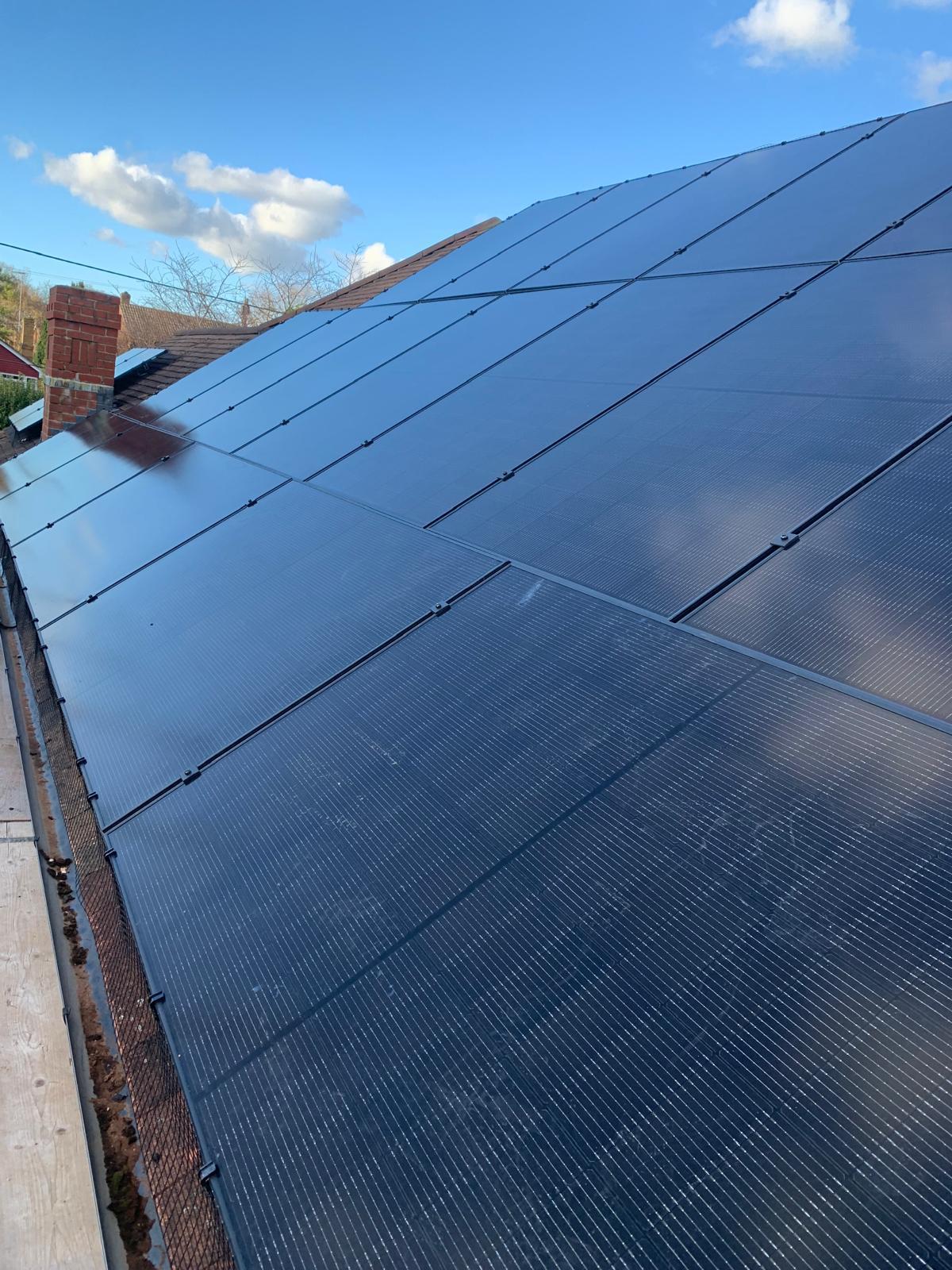
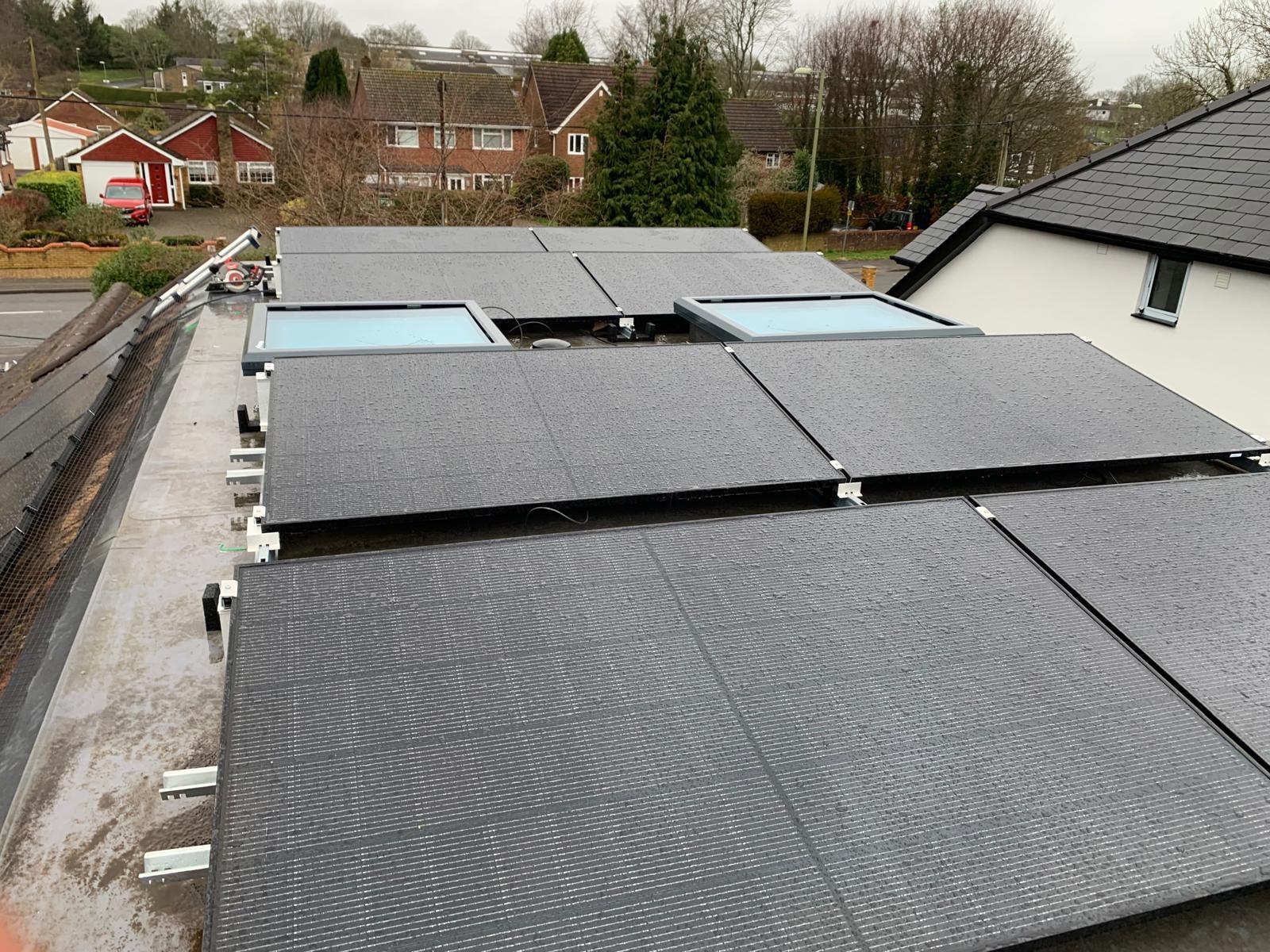
A detached garage can be far more than somewhere to park a car or store tools.With the right roof, appropriate electrical infrastructure and thoughtful system design, it may become an extremely useful location for generating renewable electricity.The important question is not simply whether solar panels can be installed there, but whether installing them there represents the best solution for your particular home.Taylor Made Solar can assess your garage, property and electricity requirements before recommending an appropriate approach.If you live in Dorset or elsewhere across the South of England and would like to explore solar panels for a detached garage, speak to Taylor Made Solar about arranging an assessment and discovering what your property could achieve.
No. Although south facing roofs can be favourable, east and west facing garage roofs may also provide worthwhile solar generation. The entire property should be assessed before deciding which roof area is most suitable.
Not necessarily. Many garage roofs may be suitable for solar panels, but structural suitability must be assessed before installation rather than assumed.
Yes. Flat garage roofs can often accommodate solar panels using an appropriate mounting arrangement, subject to structural and practical considerations.
It can be, although this depends upon usable roof space, orientation, shading and the amount of electricity the system is expected to generate. A professional assessment can establish whether the available area justifies an installation.