If you are considering solar panels for your home, completing the installation before April 2027 could reduce your initial cost. Qualifying residential solar panel installations currently benefit from zero rated VAT. However, this temporary relief is scheduled to end on 31 March 2027. From 1 April 2027, qualifying installations are expected to attract VAT at 5 per cent.


Qualifying installations of certain energy saving materials in residential accommodation currently receive zero rated VAT. Solar panels fall within this category.The temporary zero rate is due to remain in place until 31 March 2027. From 1 April 2027, qualifying installations are scheduled to return to the reduced VAT rate of 5 per cent. This position reflects the current official HMRC guidance.The relief generally applies when a contractor supplies and installs qualifying solar equipment in residential accommodation. Different rules may apply when somebody buys equipment separately without arranging installation. Additional building work may also receive a different VAT treatment, depending on the nature of the project.Tax rules can change. Therefore, homeowners should always confirm the applicable VAT treatment when requesting a quotation. This article offers general information rather than financial or tax advice.

The precise difference will depend on the price and eligibility of your installation. Nevertheless, a simple example illustrates the potential effect.Suppose a qualifying solar panel installation has a net price of £10,000. Under the present zero rate, no VAT would be added, so the total would remain £10,000.If the same qualifying installation attracted VAT at 5 per cent, the VAT charge would be £500. The total price would therefore rise to £10,500.This example does not represent a quotation or a guaranteed future price. Solar installation costs depend on several factors, including the number of panels, the chosen equipment, roof access, scaffolding, electrical requirements and whether battery storage forms part of the system.Even so, it demonstrates why installing solar panels before the VAT changes could offer a meaningful financial advantage.
For many homeowners, completing an installation before April 2027 may be worthwhile. The current zero rate can reduce the initial cost, while the system can begin generating renewable electricity sooner.
However, timing is only one part of the decision. A solar installation should reflect your property, energy consumption and long term plans. A carefully designed system is more valuable than one selected hastily to meet a tax deadline.
Starting the process early gives you time to assess your options properly. It also reduces the risk of encountering limited availability as the deadline approaches. Demand may increase if more homeowners decide to arrange work before the VAT rate changes.
Therefore, you should not interpret the deadline as a reason to make an immediate commitment. Instead, treat it as a reason to begin an informed conversation with a reputable installer.

A solar panel installation involves more than choosing a set of panels. Before recommending a system, an installer must understand the property and the way its occupants use electricity.The process may include assessing the roof, reviewing electricity consumption, discussing battery storage and preparing a suitable design. Homeowners may also need time to compare options, consider their budget and decide how they wish to proceed.Installation schedules can become busier when a financial deadline approaches. If you wait until early 2027, you may have less time to consider the proposal or secure a convenient installation date.Beginning now gives you greater freedom. You can ask questions, review your quotation and make a measured decision without unnecessary pressure.
Most homeowners should arrange a professional assessment before deciding whether to invest in solar. Every property presents different opportunities and limitations.
The direction, pitch and size of your roof will influence the proposed design. A larger usable area may accommodate more panels, although the right system size should reflect your actual electricity requirements.
Trees, chimneys and nearby buildings can cast shade across a roof. An installer should consider these factors when planning panel positions and estimating likely performance.
Your roof should be in an appropriate condition before installation begins. If repairs will soon become necessary, completing them before fitting the panels may prove more practical.
Your annual electricity consumption helps determine a suitable system size. Your daily habits also matter. For example, a household that uses more electricity during daylight hours may consume a larger proportion of its solar generation directly.A tailored survey brings these considerations together. It allows the installer to recommend a system based on evidence rather than assumptions.
Battery storage allows you to retain surplus solar electricity for use later. Without a battery, your home will use available solar power as it is generated. Any eligible surplus may pass to the grid.
With a suitable battery, you can store some of that excess electricity and use it during the evening or at other times when the panels generate less power. This can increase the proportion of solar electricity used within your home.
Electrical batteries that store energy currently qualify as energy saving materials under the temporary VAT relief when the relevant conditions are met. This can include qualifying battery installations completed separately from solar panels. Homeowners should confirm the treatment of their particular project with their installer.
Battery storage will not suit every budget or pattern of electricity use. Its value depends on your consumption, system design, energy tariff and wider priorities. Therefore, Taylor Made Solar considers the needs of each household before recommending a solution.
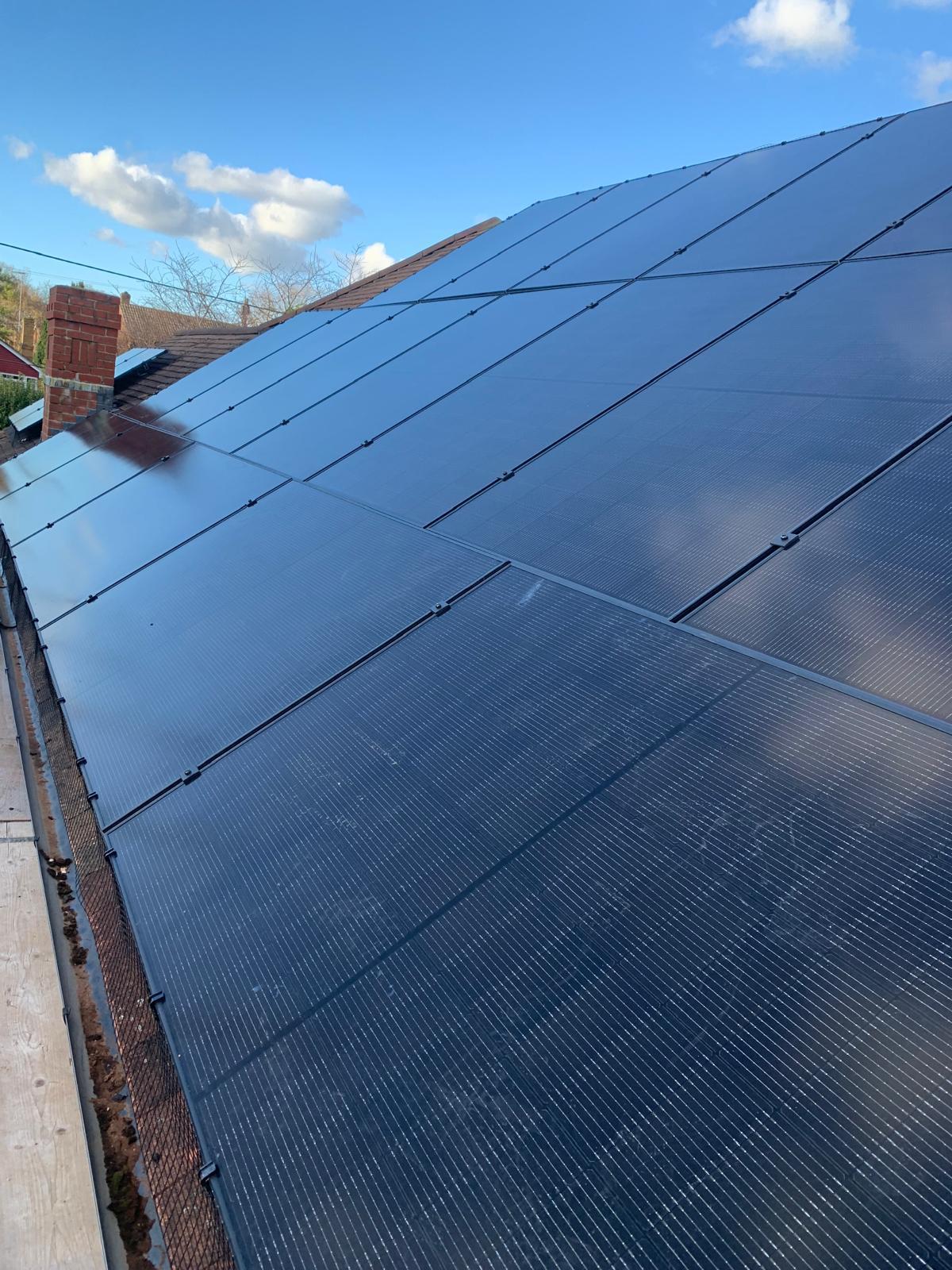
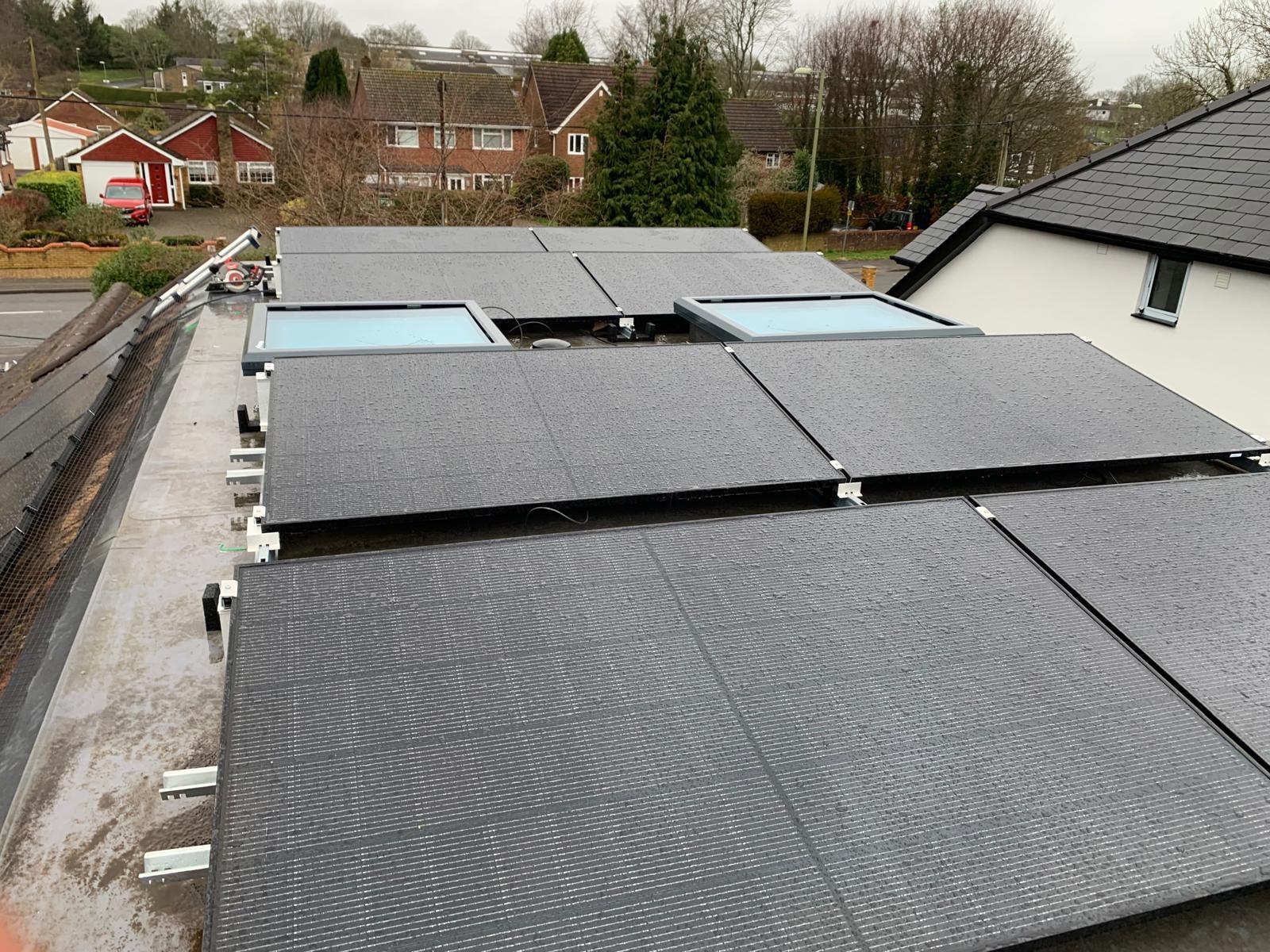
Avoiding an additional VAT charge may make acting before April 2027 attractive. However, solar panels can offer benefits that extend well beyond the tax change.Generating electricity at home can reduce the amount you need to purchase from your energy supplier. Solar can also provide greater control over household electricity use, particularly when paired with battery storage.In addition, installing a well designed system can reduce your reliance on electricity generated from non renewable sources. It may also support future plans such as charging an electric vehicle or using more electricity within the home.The results will vary between properties. Panel capacity, roof conditions, household habits and changing electricity prices can all affect performance and financial returns. A responsible installer should explain these variables clearly without promising a particular saving or payback period.
Taylor Made Solar provides residential solar panel installation and battery storage services across Dorset and the South. The company has more than 15 years of experience and designs systems around the requirements of individual properties.
Whether you are exploring solar panels in Bournemouth, planning a solar panel installation in Poole or looking for advice elsewhere in Dorset, the process begins with a careful assessment of your home.
Taylor Made Solar offers a free site survey and a detailed, no obligation quotation. This gives you an opportunity to understand the proposed system, ask questions and review the expected costs before making a decision.
The company can guide you from the initial consultation through planning, installation and final sign off. Its tailored approach helps ensure that the recommended system suits your roof, electricity consumption and longer term aims.
Under current rules, the temporary zero rate for qualifying installations is scheduled to end on 31 March 2027. Qualifying installations are expected to attract VAT at 5 per cent from 1 April 2027. As government policy can change, confirm the current position before proceeding.
Qualifying electrical battery installations can receive zero rated VAT under the current relief. Eligibility depends on the nature of the supply and installation, so you should ask your installer to confirm how VAT applies to your project.
The relevant VAT treatment may depend on matters such as the tax point, payment arrangements and completion of the work. Paying a deposit before the deadline may not, by itself, guarantee that the entire installation receives the zero rate. Seek confirmation based on your contract and installation schedule.
Installing solar panels before the VAT changes in 2027 could reduce the initial cost of a qualifying residential system. On a net installation price of £10,000, the difference between zero VAT and 5 per cent VAT would be £500.Yet the strongest solar investment is not simply the one completed before a deadline. It is the one designed carefully around the property, the household and its electricity requirements.If you are considering solar panels or battery storage in Dorset, Bournemouth or Poole, now is an appropriate time to explore your options. Contact Taylor Made Solar to arrange a free site survey and request a detailed, no obligation quotation. Starting early will give you the time and information needed to make a confident decision before the scheduled VAT change.