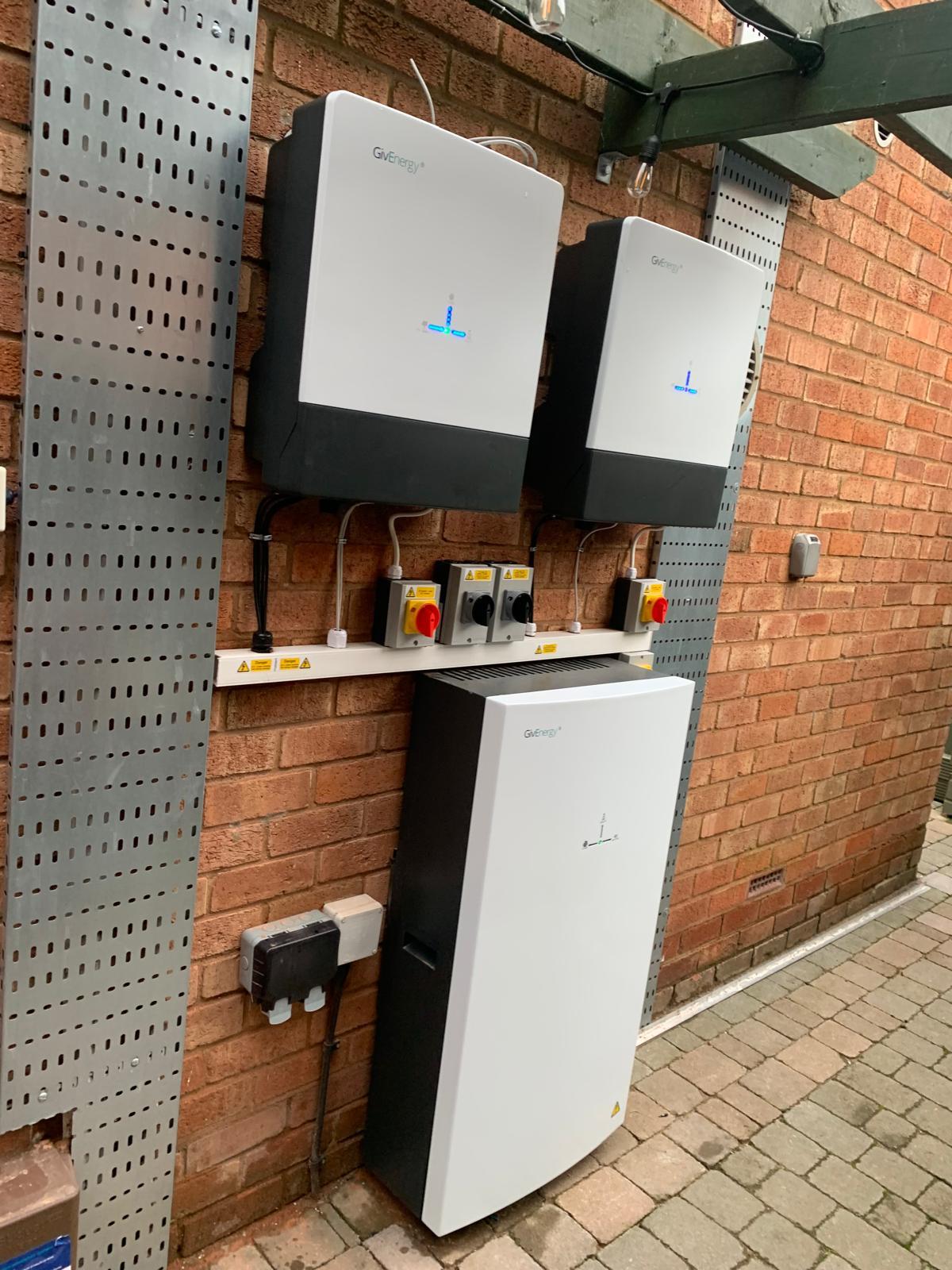
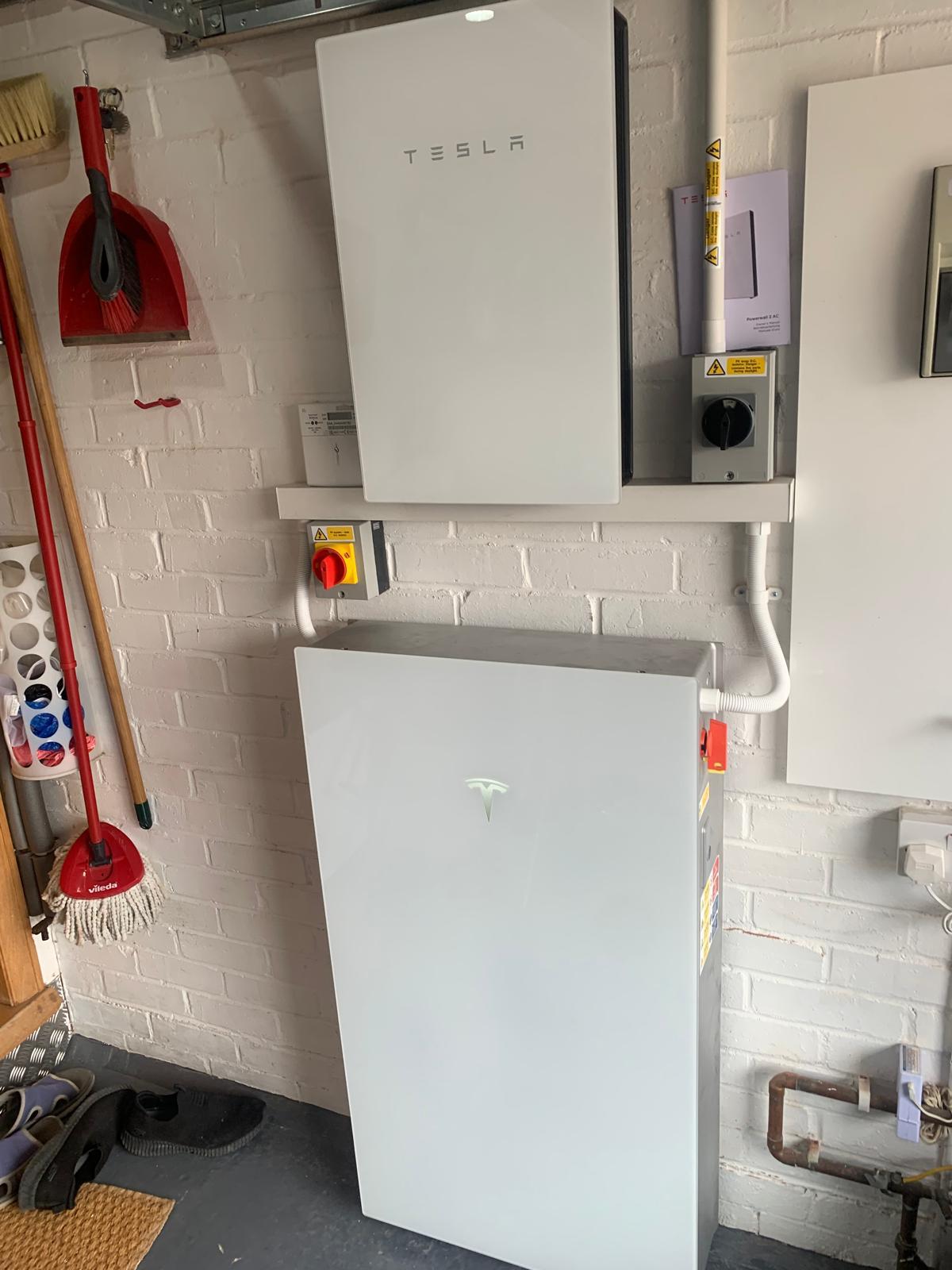
Solar battery storage allows you to keep more of the electricity generated by your solar panels for use later in the day. Instead of purchasing as much electricity from the Grid during the evening, you can draw upon the energy stored while the sun was shining.However, every battery has a finite capacity. This naturally raises an important question: what happens to solar energy when the battery is full?


A solar battery is considered full when it reaches its permitted maximum state of charge. This does not necessarily mean that every theoretical unit of its capacity has been used. Manufacturers usually retain a small reserve to protect the battery and support its long term performance.Once the battery reaches this point, the system stops sending additional electricity into it. The energy generated by the panels must then be directed elsewhere.A typical domestic solar system follows a simple order of priority.Solar electricity will first power appliances being used in the home. Any surplus will then charge the battery. Once the battery is full, additional electricity can be exported to the National Grid, provided the system has permission and the necessary metering arrangements.If the electricity cannot be used, stored or exported, the inverter can limit solar production. The precise sequence will depend upon the design of the system and its settings.
A full battery does not mean that your home stops using solar power.
Imagine that your solar panels are generating four kilowatts while your home is consuming one kilowatt. The house can continue to receive that one kilowatt directly from the panels. If the battery is already full, the remaining three kilowatts may be exported.
If a washing machine, dishwasher or electric oven is then switched on, more of the electricity will be consumed within the property and less will be exported. Your system continually adjusts to changes in both generation and demand.
This is why it can be beneficial to use certain appliances during the brightest part of the day. Consuming solar electricity as it is generated often provides greater value than exporting it and purchasing electricity back from the Grid later.
Smart controls can make this easier. Depending upon the equipment installed, some systems can schedule appliances, water heating or electric vehicle charging to coincide with periods of strong solar generation.
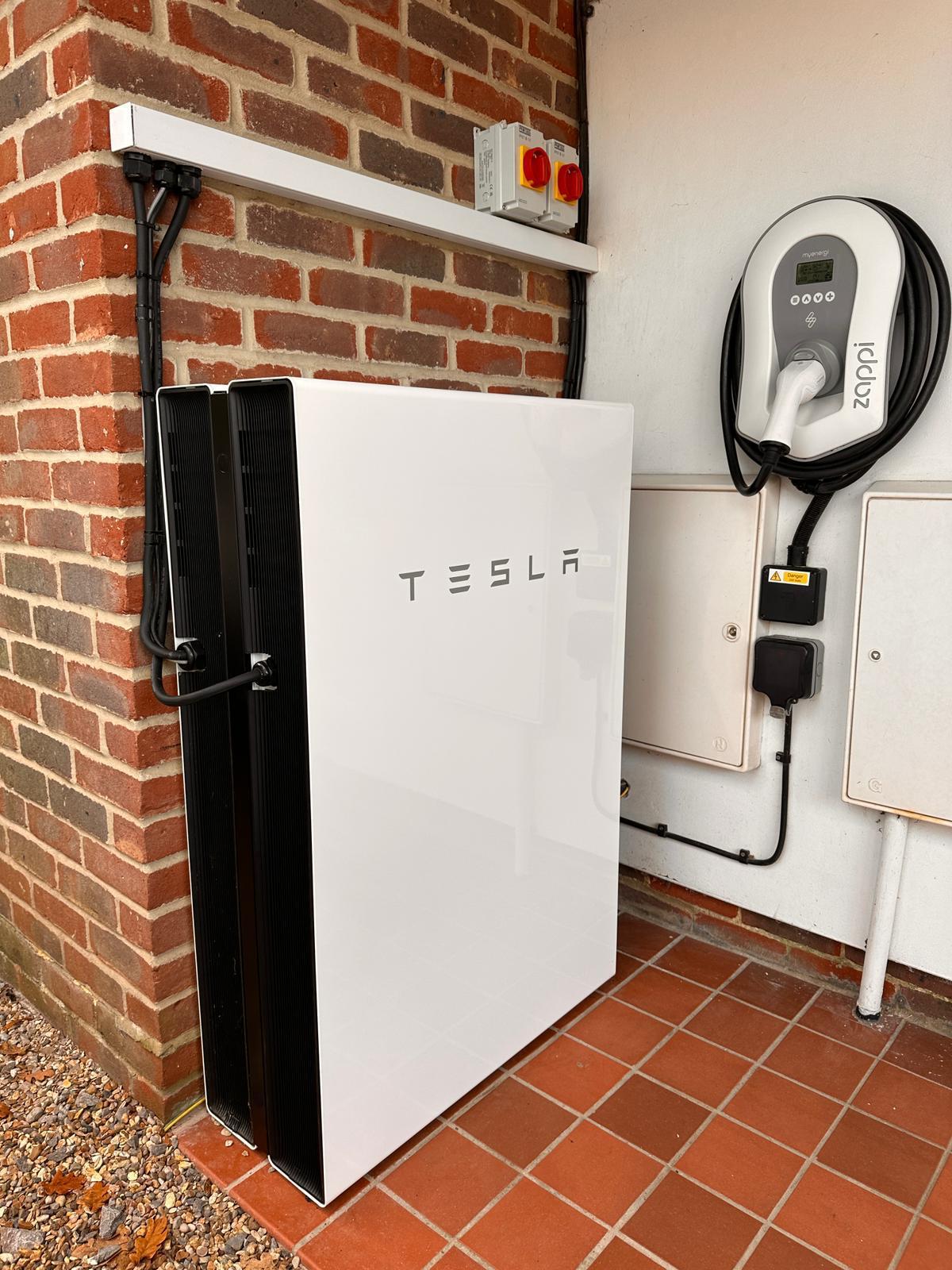
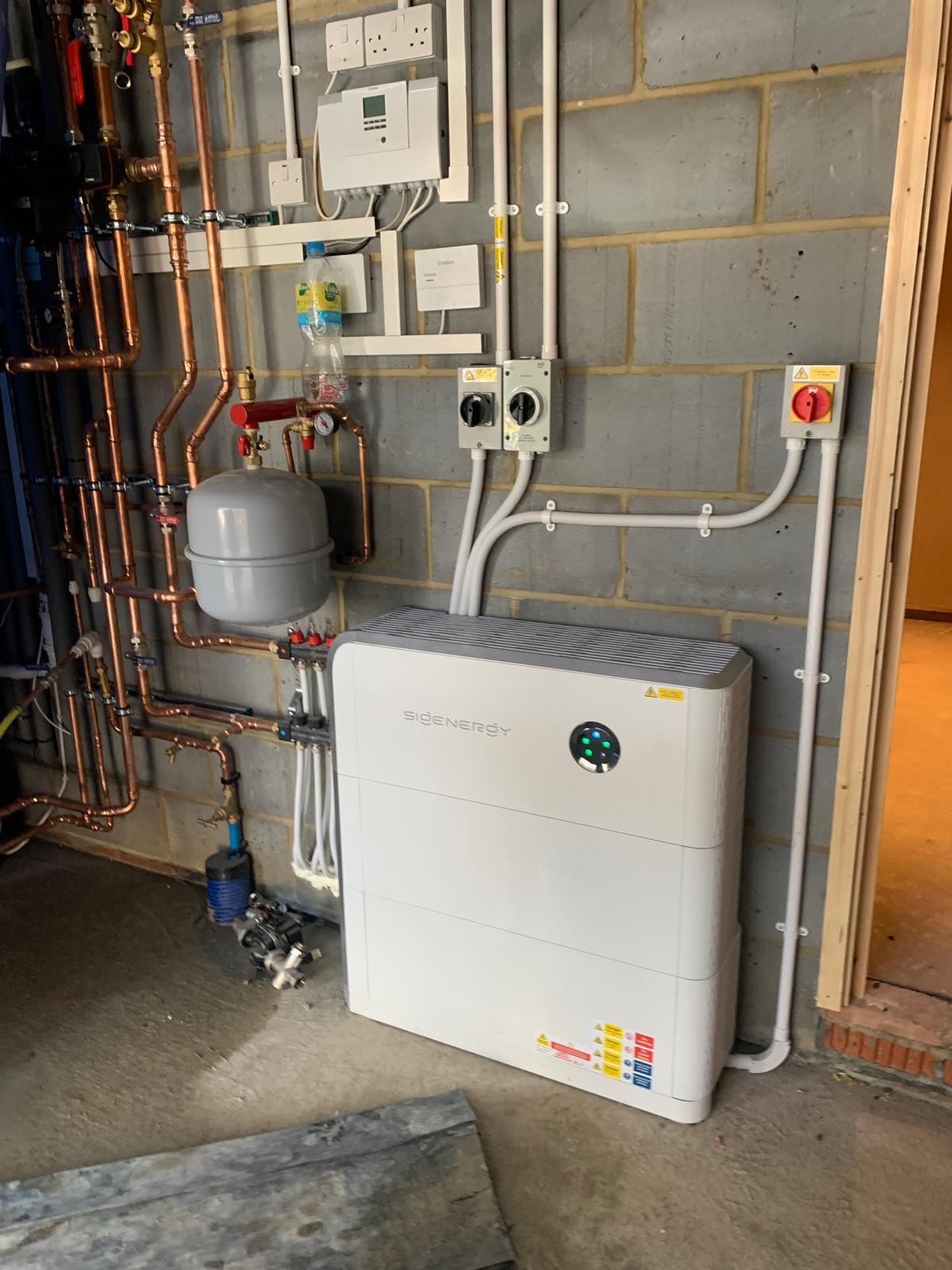
When the battery is full and the property is not consuming all the available solar electricity, the surplus can usually be exported to the Grid.A suitable smart meter or export meter records how much electricity leaves the property. Eligible homeowners may then receive payment through an export tariff.The Smart Export Guarantee requires participating licensed electricity suppliers to offer eligible small generators payment for electricity exported to the Grid. The amount paid, eligibility conditions and contract length are determined by the individual supplier.You do not necessarily have to purchase your electricity from the same company that pays you for exported energy. Ofgem advises generators to compare the available options because tariffs and conditions vary.Popular choices include export products offered by Octopus Energy, E.ON Next and British Gas. Some provide a fixed payment for each unit exported, while others vary their rates according to the time of day. Intelligent tariffs may also control a compatible battery, charging or discharging it at particular times.For example, Intelligent Octopus Flux is designed around compatible solar batteries and uses different import and export periods. E.ON Next and British Gas also publish export options with their own rates and eligibility requirements.Tariffs can change, so homeowners should compare current rates, compatibility rules and terms before applying. The tariff offering the highest export rate is not automatically the best overall choice. Import prices, standing charges, battery control and household consumption must also be considered.
Not every solar installation is permitted to export unlimited amounts of electricity. The local electricity network may impose an export limit to protect network stability.
If your battery is full, household demand is low and export is restricted, the inverter can reduce the output from the panels. This is known as curtailment.
The panels remain exposed to daylight, but the system no longer draws their maximum available output. There is no dangerous accumulation of unused electricity. The inverter simply manages generation according to what the home, battery and Grid can accept.
This is one reason why professional system design matters. Taylor Made Solar can consider your expected generation, battery capacity, household demand and local network requirements before recommending a suitable arrangement.

A correctly installed modern solar battery should not become overcharged during normal operation.Battery storage systems contain a battery management system that monitors temperature, voltage, current and state of charge. When the battery reaches its permitted limit, charging is reduced and then stopped.The inverter and battery management system work together to protect the equipment. Many batteries also preserve an internal reserve rather than allowing the cells to reach their absolute chemical limit.Homeowners do not need to disconnect their solar panels or manually stop charging when the battery becomes full. The process is automatic.If your monitoring application reports unusual behaviour, persistent faults or unexpected charging patterns, you should contact a competent solar specialist rather than altering technical settings yourself.
A battery regularly reaching full capacity is not necessarily a problem. During bright summer weather, even a suitably sized system may fill the battery relatively early.
However, frequent early charging combined with substantial exports could indicate that a larger battery might allow you to retain more electricity for the evening. This is particularly relevant for households that consume considerable energy after sunset.
Battery capacity should not be judged from one sunny day. A professional assessment should consider annual electricity consumption, daytime demand, evening usage, solar panel output and seasonal variation.
Your future plans also matter. An electric vehicle, heat pump, home office or growing family could change how much electricity you require. Taylor Made Solar designs residential solar systems around the individual property rather than applying the same battery size to every home.

Some solar battery systems can be expanded with additional modules. Fox ESS, Tesla, EcoFlow, Sigenergy, GivEnergy and Sunsynk are among the familiar names within the wider battery storage market, although their products differ considerably.Taylor Made Solar specifically offers scalable Fox ESS battery storage solutions, with options intended for different levels of energy demand.Whether an existing system can be expanded depends upon the battery model, inverter capacity, available space, system age, electrical design and manufacturer requirements. New and existing modules may also need to be compatible in terms of specification and software.Adding capacity is not always the most valuable response to high export levels. It may be more advantageous to change when electricity is consumed, divert surplus energy towards hot water or electric vehicle charging, or move to a more suitable export tariff.A professional assessment can establish which option offers the greatest practical benefit.
The purpose of battery sizing is not simply to purchase the largest unit available. It is to find the capacity that suits the relationship between your solar generation and electricity consumption.
A battery that is too small may fill quickly and leave a considerable amount of electricity available for export. A battery that is excessively large may rarely achieve a meaningful charge, particularly during winter.
The right system should reflect when you use electricity as well as how much you consume. Two homes with identical annual usage can require different solutions if one uses most of its electricity during the day and the other uses it during the evening.
Roof orientation, shading and available panel space must also be considered. A west facing array may generate electricity later in the afternoon, while an east facing array may produce more during the morning. A carefully designed system brings these factors together.
Taylor Made Solar provides solar PV installations in Dorset that are tailored to the property, budget and energy requirements of each customer.
Not necessarily. Your home can continue using solar electricity directly, while any remaining surplus may be exported to the Grid. Generation is normally reduced only when the energy cannot be used, stored or exported.
The panels can continue generating electricity for your home and the Grid. If export is restricted and household demand is low, the inverter may reduce their output automatically.
You may receive payment if you have an eligible system and an appropriate export tariff. Rates and eligibility conditions vary between suppliers, so compare the current options before applying.
Using appliances during periods of surplus solar generation can increase the amount of your own electricity consumed within the home. Whether this is preferable to exporting depends upon your tariff and circumstances.
A full battery is a sign that your solar panels are producing more electricity than your home requires at that moment. With a properly designed system, that surplus can still provide value through direct household use, Grid export or intelligent energy management.
The more important question is whether your battery, panels and tariff are working together effectively.
Taylor Made Solar provides tailored solar panel and battery storage solutions throughout Dorset and the South. To discuss a new installation or determine whether your existing system could be improved, contact Taylor Made Solar and request a free, no obligation quotation.