Taylor Made Solar

Could Grid Upgrade Delays Affect Your Commercial Solar Project?

Yes, grid upgrade delays can affect a commercial solar project, particularly when the proposed system will export more electricity than the local network can safely accommodate.


    Taylor Made Solar

    Why Does a Commercial Solar Project Need Grid Approval?

    A commercial solar system generates electricity that is used within your premises. When the panels produce more electricity than the business requires at that moment, the surplus may flow into the local distribution network. The Distribution Network Operator, commonly known as the DNO, is responsible for ensuring that this network continues to operate safely and reliably. It must therefore understand how a proposed commercial solar installation could affect the surrounding infrastructure. Smaller generating systems may qualify for a simpler notification process. However, generation equipment rated above 16 amps or 3.68 kilowatts per phase will generally fall under G99 connection procedures. As commercial solar systems are often considerably larger than this threshold, approval will frequently be required before installation. G99 connection procedures The application allows the DNO to review the design and determine whether the proposed system can connect under the existing network conditions.

    Get in Touch Today
    Taylor Made Solar

    What Does the DNO Consider?

    The DNO does not assess whether solar panels are commercially worthwhile for your business. Its responsibility is to establish whether the proposed generation can connect without compromising the safety, stability or reliability of the electricity network.

    Its assessment may consider:

    1. The generating capacity of the proposed solar system
    2. The amount of electricity that could be exported
    3. The voltage and capacity of the existing connection
    4. The condition and capability of nearby network infrastructure
    5. Existing generation already connected within the area
    6. Any battery storage included within the design
    7. Protection equipment and export controls
    8. Whether reinforcement or other technical work is required

    The requirements become more involved as the scale and complexity of the generation increase. The Energy Networks Association advises that connection requirements generally become more complex as generating capacity rises. energynetworks.org

    Two apparently similar commercial properties may therefore receive different connection outcomes. A warehouse in Poole may have access to sufficient network capacity, while another premises nearby could face an export restriction or a requirement for additional work.

    Book a Call
    Taylor made Solar

    Why Might Grid Upgrades Be Required?

    Local electricity networks were designed around the patterns of demand and generation that existed when they were constructed. Some areas can accept new commercial generation without substantial changes. Others may have limited spare capacity. When a new connection would place excessive demand on existing infrastructure, the network may need to be reinforced. Ofgem describes reinforcement as increasing the capacity of the network where growth or a new connection would otherwise overload it. Ofgem Required work could involve changes to cables, substations, transformers, protection equipment or other network assets. The precise solution will depend on the site and the findings of the DNO. This work can take time because the network operator may need to undertake detailed technical studies, secure equipment, arrange access and coordinate engineering work. The connection offer should explain what is required, what it may cost and the conditions that apply.

    Request a bespoke commercial solar ROI breakdown
    Taylor Made Solar

    How Could a Delay Affect Your Commercial Solar Project?

    A delay does not usually alter the fundamental reason for investing in solar. However, it may affect when the system can be connected and when your business begins to benefit from the electricity it generates.

    Changes to the project schedule

    If the DNO requires reinforcement before approving the proposed export capacity, the commercial solar installation may need to be postponed or coordinated around those works. This could affect other plans involving roof repairs, electrical upgrades, business expansion or improvements to the premises. Businesses should therefore avoid treating the grid connection as a final administrative detail.

    Possible additional costs

    Network assessment and reinforcement can introduce costs that were not apparent during an initial discussion about solar panels. National Grid Electricity Distribution explains that the preparation of a connection offer may include the cost of assessing the proposal, designing the connection and identifying reinforcement work. connections.nationalgrid.co.uk The business should understand these costs before making a final investment decision. A professional commercial solar proposal must consider more than the number of panels that can fit on the roof.

    A later start to financial savings

    The financial case for commercial solar often depends on replacing electricity that would otherwise be purchased from the grid. If connection is delayed, the point at which those savings begin may also move. This does not automatically make the project unsuitable. However, expected installation dates, energy savings and financial projections should be reviewed if the connection timetable changes.

    Procurement and planning difficulties

    Solar panels, inverters, scaffolding, access equipment and installation teams all need to be scheduled. Committing to these arrangements before the connection position is understood could create unnecessary complications. Early assessment allows the installation programme to reflect the realities of the site rather than relying on an assumed approval date.

    Taylor Made Solar

    Why Early Planning Matters

    The strongest commercial solar projects begin with an understanding of both the property and its electricity usage.

    Before settling on a design, the installer may need to examine:

    1. Electricity bills and consumption data
    2. Daytime and seasonal patterns of demand
    3. Existing import and export capacity
    4. The electrical supply and distribution equipment
    5. Available roof or ground space
    6. Structural and access considerations
    7. The proposed solar and battery equipment
    8. The likely grid connection route
    9. Future plans for electric vehicles, machinery or business expansion

    This information allows the commercial solar system to be designed around genuine operational requirements.

    It also helps the installer prepare the technical details required for the relevant connection application. National Grid Electricity Distribution requests information such as the site postcode, installer and customer details, generation equipment references and details of any export limitation device. Generation Application

    Submitting complete and accurate information can reduce avoidable questions, although it cannot guarantee a particular decision or timescale.

    Book your site assessment and energy savings forecast
    Taylor Made Solar

    How Taylor Made Solar Can Support Your Project

    Taylor Made Solar designs and installs solar PV systems across Dorset and the South. The company states that it has more than 15 years of experience and has completed more than 1,500 projects. Taylor Made Solar Its commercial solar service begins by reviewing the premises, energy demand and objectives of the business. The team then develops a system suited to the property and its expected electricity usage. For a commercial solar project, this process can include: 1. Assessing the premises and available installation space 2. Reviewing business electricity consumption 3. Designing a suitable solar PV system 4. Considering likely import and export requirements 5. Preparing the necessary technical information 6. Managing the appropriate DNO application 7. Liaising with the network operator during the assessment 8. Revising the design if restrictions or additional requirements arise 9. Planning the installation around the approved connection 10. Completing and commissioning the system professionally Although an experienced installer can prepare and manage the application, the DNO remains responsible for its decision. Taylor Made Solar cannot control the outcome, charges or timescale imposed by the network operator. This distinction is important. Honest advice should explain both what the installer can manage and what remains subject to external approval.

    Protect your business from rising grid energy prices
    Taylor Made Solar

    Plan Your Commercial Solar Project With Confidence

    Grid capacity should be considered at the beginning of a commercial solar project, not after the system has been designed and scheduled for installation.

    A delay may affect the programme, cost or anticipated start of your savings. Nevertheless, early assessment can reveal whether the original proposal is likely to proceed as planned or whether an alternative design should be considered.

    Taylor Made Solar offers commercial solar solutions tailored to the premises, energy consumption and objectives of each business. Its process covers consultation, preparation, design and professional installation, with careful planning intended to minimise disruption to business operations. Taylor Made Solar

    If you are considering commercial solar panels in Poole, Bournemouth or elsewhere in Dorset, contact Taylor Made Solar before making firm decisions about system size or installation dates.

    Arrange an initial consultation, request a site survey and obtain a tailored commercial solar quotation based on the requirements of your property.

    Contact Taylor Made Solar to discuss your commercial solar project.
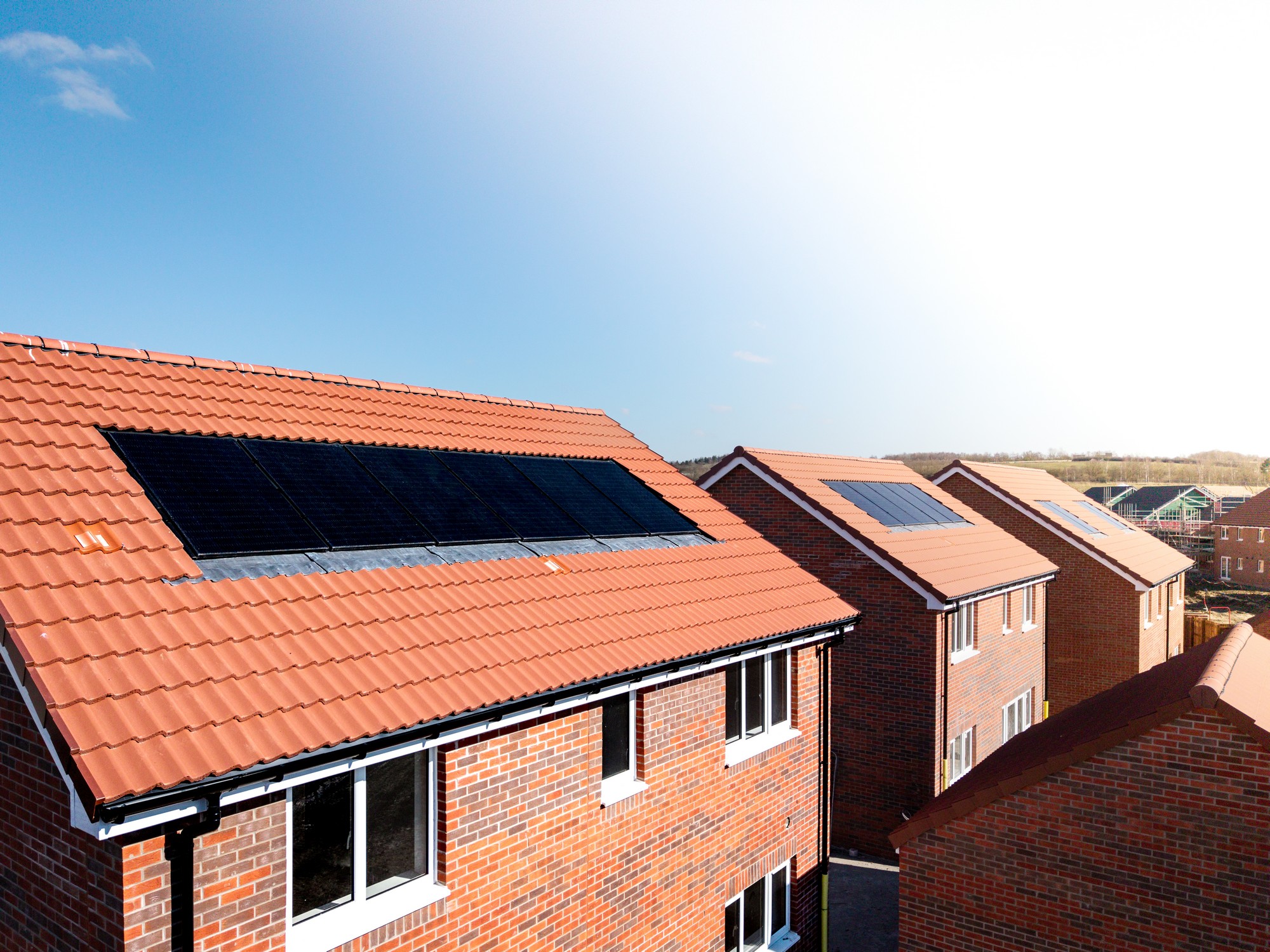
    Transform your vacant roof space into green energy

    Frequently Asked Questions

    Do all commercial solar projects require DNO approval?

    The connection route depends on the capacity and technical characteristics of the installation. Smaller qualifying systems may follow a notification process, while systems above the relevant threshold generally require approval before installation. Most substantial commercial projects are likely to require a G99 application.

    How long does a commercial solar grid application take?

    There is no single timescale that applies to every project. The period will depend on the size of the system, the complexity of the application, local network capacity and whether technical studies or reinforcement work are required. Taylor Made Solar can explain the likely process, but the final timescale rests with the DNO.

    Who pays for grid reinforcement?

    Responsibility for connection and reinforcement costs depends on the nature of the work and the applicable charging rules. The connection offer should identify the work required and the amount the applicant is expected to pay. Businesses should review this information before committing to the project.

    Can export limitation avoid the need for a grid upgrade?

    In some circumstances, restricting the amount of electricity exported may provide an alternative to waiting for or contributing towards reinforcement. It must be technically suitable, use compliant equipment and receive the necessary approval. It will not be the correct solution for every site.

    Taylormade Solar
    Accreditations